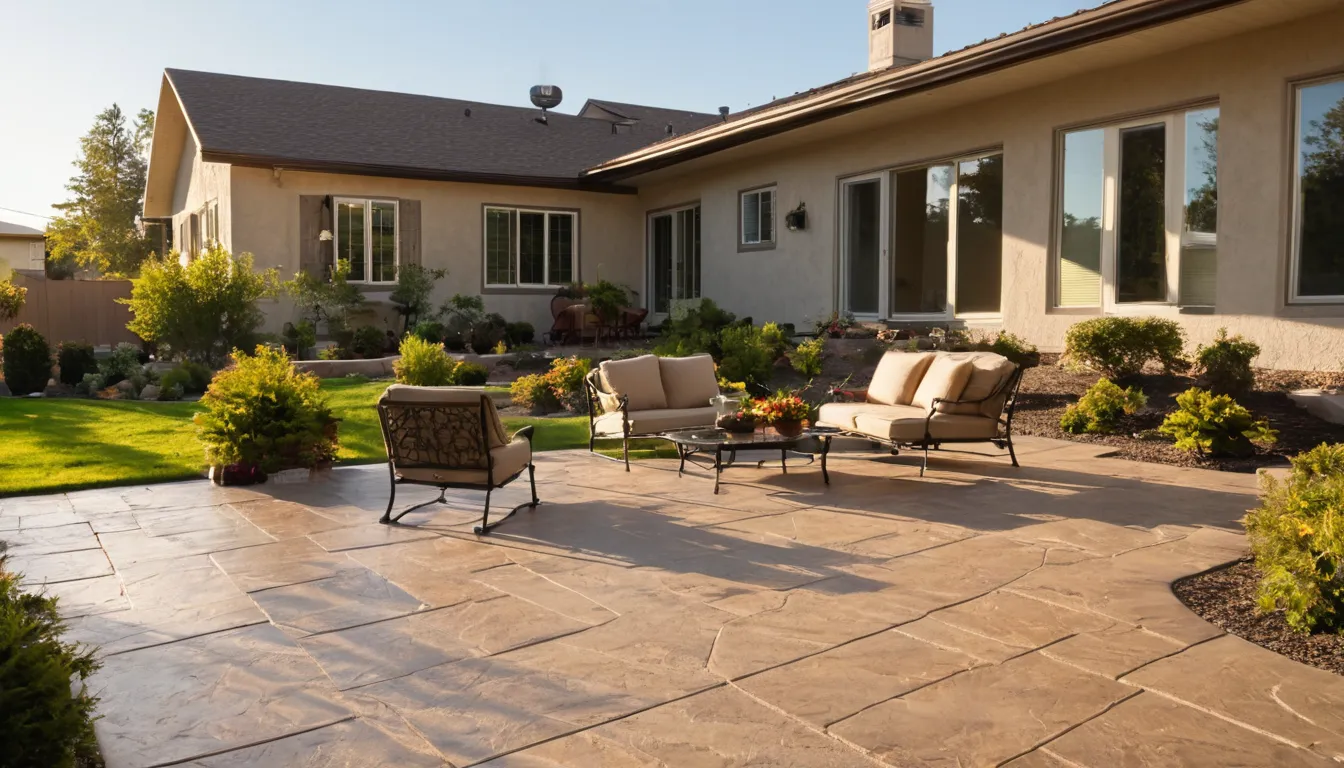
A new concrete patio is a big choice. Size, slope, finish and timing all affect the result. Mistakespurposes Concrete puts those choices in order, so you know what to decide first and what can wait. You see the checklist before you talk to anyone.
When you are ready, Mistakespurposes Concrete connects you with an independent provider in the Woodside area. The provider measures, quotes, pours and finishes the concrete. Mistakespurposes Concrete does not do the work. This page also covers upkeep, so your patio stays in good shape long after the pour.
Start Here: Timing Comes First
Winter rain events can pause a pour. Long dry seasons are easier to schedule, so providers often fill their calendars. If you want a patio ready for spring, begin the steps below now. Request a callback to check provider availability in your area.
Step 1: Define the Job
Before you talk to anyone, write down three things:
- What the patio is for: dining, a fire pit, a grill, or quiet seating
- Who will use it, and how often
- What will sit on it: furniture only, or heavy items like a hot tub
Providers can quote faster when these answers are clear. Concrete flatwork sounds simple, but small details change the price.
Step 2: Size the Space
Measure the length and width. Then add room to move. A chair needs about three feet behind it to slide back.
- Bistro spot for two: about 8 by 8 feet
- Table for four: about 12 by 12 feet
- Table for six plus a grill: 12 by 16 feet or more
Mark the shape with spray paint or a garden hose. Walk it. Set a chair on it. Adjust the outline before anyone pours.
Step 3: First, Check Drainage
Water is the main enemy of any slab. Stand outside during a rain event and watch where it runs. A patio should slope gently away from the house. Many projects use about one-eighth to one-quarter inch of drop per foot, but your provider will set the right number for your lot.
Why Slope Matters Near Your Foundation
Stucco ranch homes, whether on slabs or raised foundations, do not like water pooling at the wall. Many tract homes from the 1950s to the 1980s have older grading that may already need attention. Ask each provider how the new patio will shed water.
See wall cracks or sticking doors? Talk with foundation repair experts first. That is a different trade from a patio pour, and it is smarter to know the answer before adding concrete.
Step 4: Ask About Prep
What sits under the concrete matters as much as the surface. Ask about these items:
- Base material and how it is compacted
- Slab thickness, often about four inches for patios
- Rebar or wire mesh
- Control joints, which guide cracks into straight lines
A clear answer on each is a good sign.
Step 5: Pick a Finish
The finish sets the look and the grip underfoot. Choose it before you collect quotes, so every price covers the same thing.
Stamped Concrete Patios
Stamped concrete patios use patterns and color to mimic stone, slate or brick. They suit older bungalows and newer stucco homes alike. Stamped work takes more skill, so compare examples of finished jobs.
Broom, Aggregate and Colored Options
- Broom finish: simple, grippy, and common
- Exposed aggregate: small stones show, good for wet footing
- Colored concrete: tint through the slab, with or without a pattern
On mild coastal days a dark color can still get warm in the sun. Ask to see a sample in daylight.
Step 6: Compare Providers
Get more than one written quote. Put them side by side and check the same lines on each. Mistakespurposes Concrete can connect you with independent providers in the Woodside area, and you decide who fits.
Questions to Ask Each Provider
1. Are you licensed and insured in my state? 2. What is the slab thickness and base plan? 3. How will water drain away from my house? 4. How long before I can walk on it, and use furniture? 5. What does the written quote include and leave out?
Prefer to see numbers first? Request an estimate and compare.
Step 7: Pour, Cure, Maintain
The pour is only the start. Curing and upkeep decide how long the slab looks good.
The First Weeks
- Keep pets and feet off until the provider says it is safe
- Hold off on heavy furniture and grills as directed
- Skip de-icing salts and harsh chemicals
Dry weather can pull moisture from fresh concrete too fast. Ask how the provider handles curing.
Sealing Schedule
Sealer helps block stains and moisture. Ask when to apply the first coat and how often to repeat it. Many sealers are redone every few years, but the product decides.
Early Warning Signs Checklist
Small signs, early action. Check your patio every season for:
- New hairline cracks, or old ones that grow wider
- Pooling water that stays after rain
- Flaking, dusting or rough patches on the surface
- A slab edge that sinks or sits higher than its neighbor
- Gaps where the patio meets the house
Snap a dated photo of anything new. The same habit used before any concrete driveway repair works here: catch it small, then ask a provider to look.
A Simple Yearly Calendar
- Spring: rinse, inspect, check joints
- Summer: clean spills quickly
- Fall: clear leaves, check gutters and slope
- After smoke seasons: rinse ash and soot gently with water
Ready for the Next Step?
You now have the order: define, size, check drainage, pick a finish, compare, then maintain. Request a callback to talk through your patio plan and see who is available.
What's Included
Layout and Sizing
Providers measure the space, confirm the shape, and help you fit seating, a grill, and walking room.
Base and Slab Prep
Crews grade the area, set forms, and compact a base so the slab has solid support underneath.
Pour and Finish
The provider places concrete, levels it, adds joints, and applies the finish you picked, such as broom or stamped.
Cure and Cleanup
Curing time is explained, forms come off, and the site is tidied once the slab is set.
Typical Home Patio Price Ranges
These are typical U.S. ranges. Real prices change with size, access, soil, finish and local rates. Use them only to plan, and always get a written quote that lists exactly what is included.
| Item | Typical range | Notes |
|---|---|---|
| Basic broom-finish slab | $6 – $12 per sq ft | Plain gray, simple shape |
| Stamped or colored patio | $12 – $25 per sq ft | Pattern and color add labor |
| Small patio, about 10 x 10 | $800 – $2,000 | Often a plain finish |
| Medium patio, about 12 x 16 | $1,500 – $4,000 | Varies by finish and prep |
| Site prep and base | $1 – $3 per sq ft | Slopes and poor soil cost more |
| Sealer coat | $1 – $3 per sq ft | Repeated every few years |
How It Works
Share Your Plan
Tell us the patio size, finish idea, and rough timing so the request matches the right providers.
Get Matched Locally
Mistakespurposes Concrete connects you with an independent provider serving your part of the Woodside area.
Review the Written Quote
Check size, base, finish, drainage and cleanup on the quote before saying yes.
Pour, Cure, Maintain
The provider does the work. Then you follow the care checklist to protect it.
Why Call Mistakespurposes Concrete
Clear Order of Steps
Each decision comes in sequence, so you are never guessing what to settle next.
Independent Providers
Local providers do the pouring and finishing, and you choose who to hire.
Upkeep Included
Sealing and early-warning checklists help you protect the patio after the work is done.
No Obligation
Ask questions and compare quotes first. You decide whether to move forward, and when.
Other Services
Need home concrete patios in Woodside?
Request a callback to check provider availability, or send the request form. Share your project and a local provider will follow up with next steps.
No obligationHome Concrete Patios FAQ
How long does a new concrete patio take to install?
Many patios take a few days for prep, pouring and finishing. Curing takes longer. Walking is often fine after a day or two, but heavy items usually wait about a week or more. Ask your provider.
How thick should a concrete patio be?
Four inches is common for patios. Heavy loads, like a hot tub, may need more thickness or extra reinforcement. A local provider can judge this based on your soil and plans.
Do stamped concrete patios need sealing?
Yes, sealing is usually advised. Sealer protects color and pattern from stains, moisture and wear. Ask your provider which product they use and how often it should be reapplied.
Reach a local provider
Request a callback to check provider availability, or send the request form. Share your project and a local provider will follow up with next steps.
No obligation