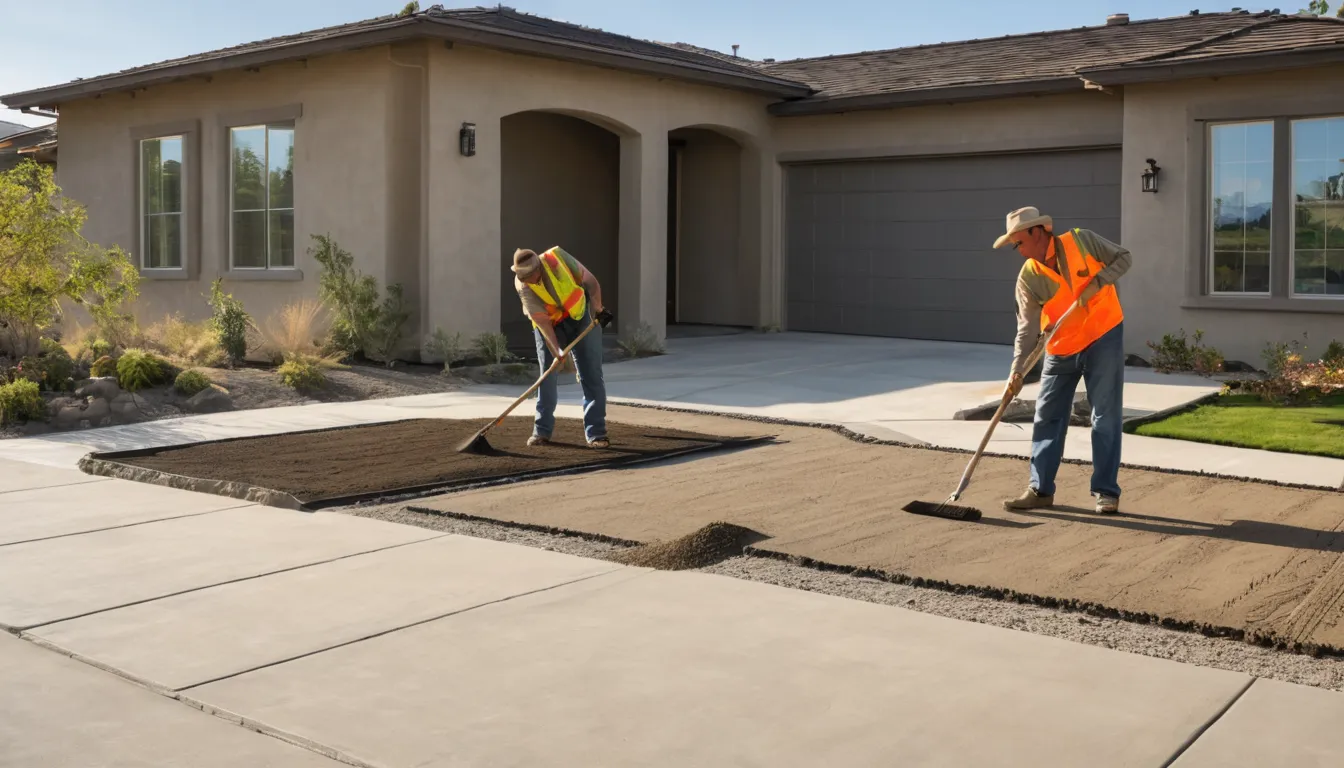
A new concrete driveway is a big project, and it helps to take it in order. First, decide whether your slab needs repair or full replacement. Next, check drainage, size, thickness and finish. Then compare written quotes from local providers.
Mistakespurposes Concrete is a referral service. We do not pour or finish concrete. We connect homeowners in the Woodside area with independent providers in our network who do the work. Use this page as your checklist, request an estimate when you are ready, and keep the maintenance steps at the end so your new driveway lasts.
Repair or Replace? Decide First
Concrete driveway repair works for small, isolated problems. A new driveway makes more sense when damage is spread across the slab. Use this quick test.
- Repair may be enough: one or two hairline cracks, light surface flaking, one low spot.
- Replace is likely: many cracks, sunken sections, crumbling edges, deep pitting.
Not sure which one fits? Ask a provider to take a look. A short visit usually settles it.
Early Warning Signs to Check Today
Small signs, early action. Walk your driveway and check each item.
- Cracks wider than a pencil line
- Slabs that sit higher or lower than their neighbor
- Puddles that stay long after rain
- Powdery or flaking surface
- Gaps where the slab meets the garage or house
Take photos and mark each spot with chalk. Photos help providers give a more accurate quote.
Fix Trip Edges and Sunken Slabs First
Uneven slabs are a safety issue. A raised edge can catch shoes, bikes and wheelchair wheels. Sinking often means soil washed out from under the slab. Put this item at the top of your list.
When Cracks Point Beyond the Driveway
Some cracks run toward the house or line up with cracks in a garage floor or wall. That can mean soil movement. Ask the provider whether foundation repair experts should check the structure before any new concrete goes down. Many older bungalows and tract homes from the 1950s to 1980s sit on slabs or raised foundations, so look at the house edge too.
Pouring over a moving base wastes money. Sort out the cause first.
First, Check Drainage
Water causes most driveway failures. Long dry seasons shrink the soil. Then winter rain events soak it and wash fine material out from under the slab.
Before you plan anything, check these:
- Does water run away from the house and garage?
- Do downspouts empty onto the driveway?
- Does water pool at the low end or the street edge?
A good plan includes a gentle slope away from the house. Ask each provider how they will handle it.
What a New Driveway Project Includes
Projects vary, but most follow this order:
1. Measure and mark the layout. 2. Remove the old concrete and haul it away. 3. Grade the soil and compact a gravel base. 4. Set forms and add reinforcement. 5. Pour, level and finish the surface. 6. Cut control joints so cracks stay tidy. 7. Cure the slab and clean up.
Good concrete flatwork depends on the base as much as the concrete. Ask about it.
Choosing Size, Thickness and Finish
Size: a one-car drive is often about 10 feet wide. A two-car drive is often 18 to 20 feet.
Thickness: 4 inches is common for cars. Heavier trucks or an RV may call for 5 to 6 inches.
Finish: a broom finish gives grip when wet. Smooth finishes can get slippery. Colored or stamped looks are possible, but they cost more and need careful sealing.
Permits and the Street Apron
The apron is the part of the driveway between the sidewalk or curb and the street. Cities often set their own rules for width, slope and thickness there. Many require a permit.
Check these before work starts:
- Does your city require a permit for the driveway?
- Are there extra rules for the apron?
- Does your HOA need to approve the finish or color?
Ask each provider who handles the paperwork.
Choosing a Concrete Provider
Use the same checklist for every provider you talk to:
- Ask for a written quote that lists thickness, reinforcement and base prep.
- Ask about licensing and insurance where your state requires them.
- Ask how long they allow for curing and cleanup.
- Ask what they do if rain is in the forecast.
- Compare quotes line by line, not just by total.
How Mistakespurposes Concrete Fits In
Mistakespurposes Concrete is a referral service. We do not pour concrete. We help you connect with independent local providers in our network. You compare, ask questions and choose. There is no obligation.
Timing Around the Weather
Dry seasons make scheduling easier. Winter rain events can delay a pour or ruin a fresh surface, so providers watch the forecast. Smoke seasons do not harm concrete, but ask about dust and covering fresh work. Mild coastal temperatures help concrete cure evenly.
After the Pour: Cure Checklist
Pour, cure, maintain. Curing comes next.
- Keep feet and pets off for a day or two, or as the provider says.
- Keep cars off for about a week unless told otherwise.
- Keep sprinklers pointed away from fresh concrete.
- Expect full strength after about four weeks.
Maintenance That Prevents Repeat Repairs
Then keep the new slab healthy.
- Seal the concrete when the provider says it is ready.
- Wash off oil and leaks quickly.
- Avoid harsh de-icing salts and chemicals.
- Trim tree roots near the edges.
- Keep joints clean and filled.
- Recheck drainage after each heavy rain.
A Simple Yearly Inspection Log
Once a season, walk the driveway and write down any new cracks, stains or puddles. Add a photo. Small marks are cheap to handle early. They are costly when ignored.
Ready to Plan Your Driveway?
You now have the steps. Request a callback to check provider availability, or send a request and compare estimates at your own pace.
What's Included
Demolition and Haul-Off
Providers remove the old concrete and take it away so the new base starts clean.
Base and Grading
Compacted gravel and a gentle slope help water move away from the house.
Forms and Reinforcement
Forms shape the edges, and rebar or mesh helps hold the slab together.
Pour, Finish and Curing
The slab is poured, finished, jointed and cured so it gains strength.
Typical Driveway Costs in the U.S.
These are typical U.S. ranges. Real prices vary by size, site access, soil and local rules, so always get a written quote before you decide.
| Item | Typical range | Notes |
|---|---|---|
| Removing old concrete | $1 – $3 per sq ft | Thicker or reinforced slabs cost more |
| Base prep and grading | $1 – $3 per sq ft | Poor soil or slopes add work |
| Standard broom-finish slab | $6 – $12 per sq ft | Thicker slabs raise the price |
| Stamped or colored finish | $12 – $20 per sq ft | Pattern and color add labor |
| Reinforcement (rebar or mesh) | $0.50 – $1.50 per sq ft | Often included in a slab quote |
| Permit and apron work | $100 – $600 | Rules and fees depend on your city |
How It Works
Check the Slab
Walk the driveway, note cracks and low spots, and take clear photos.
Call or Request an Estimate
Request a callback to check provider availability, or send a short request online.
Compare Written Quotes
Review thickness, base prep, reinforcement and timing in each quote before choosing.
Pour, Cure, Maintain
The provider builds the driveway. You follow the cure and upkeep checklist afterward.
Why Call Mistakespurposes Concrete
Clear, Ordered Steps
Each stage comes with a short checklist, so you know what to decide and when.
Local Providers
Independent providers in our network know local soil, weather and city rules.
Compare Estimates
Request an estimate, ask questions and compare written quotes with no obligation to hire.
Upkeep Guidance
Simple sealing and drainage checklists help protect the new slab after it cures.
Other Services
Need concrete driveways in Woodside?
Request a callback to check provider availability, or send the request form. Share your project and a local provider will follow up with next steps.
No obligationConcrete Driveways FAQ
How do I know if I need a new concrete driveway or just repairs?
Hairline cracks and light flaking can often be repaired. Many wide cracks, sunken slabs, or crumbling edges usually point to replacement. A provider can inspect the slab and explain which option fits your driveway.
How thick should a concrete driveway be?
Four inches is common for passenger cars. Heavier trucks or an RV may need five to six inches, plus reinforcement. Ask each provider to list thickness and base prep in the written quote.
How long before I can park on a new concrete driveway?
Foot traffic is often fine after a day or two. Vehicles usually need to wait about a week, and full strength takes around four weeks. Your provider will give the exact timing for your mix and weather.
Reach a local provider
Request a callback to check provider availability, or send the request form. Share your project and a local provider will follow up with next steps.
No obligation